
The Science Behind Dental Sealants: How They Work and Why They Matter
Are you looking for effective ways to protect your teeth from decay? Your oral health plays a vital role in your overall well-being. Each smile, each bite, and each conversation relies on healthy teeth. This is where dental sealants come into play.
Dental sealants and fissure sealants are key players in preventive dentistry. These protective barriers shield your teeth from harmful bacteria that cause tooth decay. Think of them as invisible shields, guarding the vulnerable grooves and pits of your teeth where your toothbrush can't reach.
Did you know? A single dental sealant application can protect your teeth for up to 8-10 years.
This protective measure is:
Pain-free
Quick to apply
Long-lasting
Cost-effective
Want to understand how these dental guardians work their magic? In this article, we'll dive into the science behind dental sealants, explore their working mechanism, and reveal why they're essential for maintaining healthy teeth. We'll also discuss some additional preventive measures you can take, such as choosing between a manual or electric toothbrush, to further enhance your dental care routine. Let's unlock the secrets to lasting dental protection with insights from experts at Fine Up Clinic.
Understanding Dental Sealants
Dental sealants are protective coatings applied to the chewing surfaces of teeth. These thin, plastic-based materials create a shield against harmful bacteria and food particles in the deep grooves and pits of teeth - areas where tooth decay often begins.
Types of Dental Sealants:
Clear Sealants: Nearly invisible on teeth, allows dentists to monitor tooth condition, popular choice for adults, blends naturally with tooth color
White Sealants: More visible protective barrier, easier to detect during check-ups, preferred for children's teeth, makes monitoring wear and tear simple
The primary role of dental sealants in preventive dentistry lies in their ability to:
Create a smooth surface over irregular tooth textures
Block out cavity-causing bacteria
Prevent food particles from becoming trapped
Protect vulnerable tooth surfaces
Make teeth cleaning more effective
These protective barriers act as a physical shield, sealing off the deep grooves and fissures where regular brushing might not reach effectively. The material bonds directly to the tooth enamel, creating a durable barrier that withstands daily wear from eating and drinking.
The Mechanism of Action: How Fissure Sealants Work
Your teeth have natural grooves and pits called dental fissures. These tiny spaces are ideal for harmful bacteria to thrive:
Food particles get stuck in these narrow areas
Toothbrush bristles can't reach deep enough to clean effectively
Bacteria multiply rapidly in these protected spots
Acid production increases as bacteria feed on trapped food particles
The cycle of tooth decay starts when these bacteria produce acids that slowly wear away your tooth enamel. This process speeds up in fissures due to concentrated bacterial adhesion.
Fissure sealants break this decay cycle using a simple yet effective method:
Physical Barrier Creation
Forms a smooth, protective shield over vulnerable fissures
Eliminates deep grooves where bacteria hide
Creates a surface that's easy to clean with regular brushing
Bacterial Protection
Prevents bacteria from reaching tooth enamel
Stops food particles from getting stuck
Reduces plaque buildup in treated areas
Active Defense
Many modern sealants contain fluoride
Releases protective minerals gradually
Strengthens surrounding tooth structure
This protective layer acts like a raincoat for your teeth, keeping harmful substances out while allowing the tooth to function naturally. The smooth surface created by sealants makes it much harder for bacteria to settle down, greatly lowering the chance of cavities forming in these weak spots.
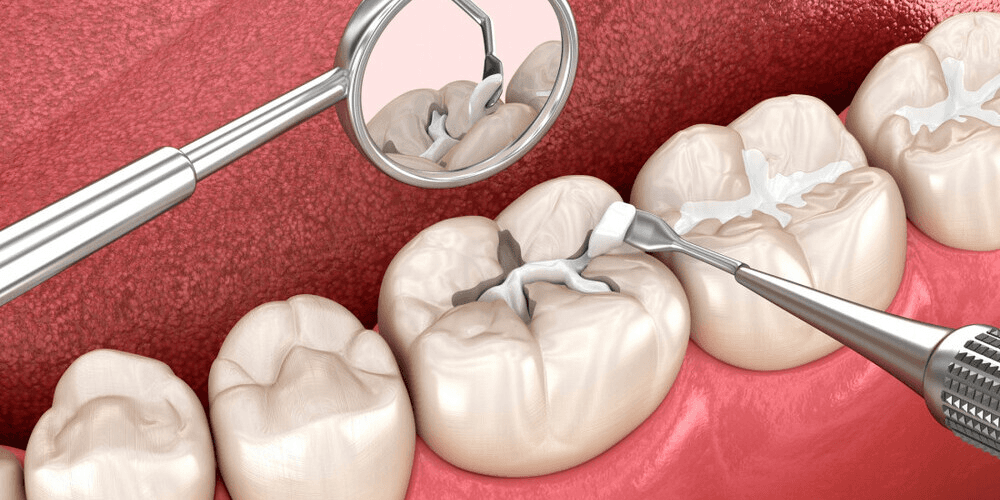
Dental sealants (fissure sealants) act as a physical shield, sealing off the deep grooves and fissures where regular brushing might not reach effectively.
Benefits and Longevity of Fissure Sealants
Dental sealants offer incredible protective benefits for your teeth. These protective barriers act as a shield against harmful bacteria and food particles, reducing the risk of cavities by up to 80% in the first two years after application.
Key Benefits of Fissure Sealants:
Creates a barrier that bacteria cannot penetrate
Prevents food particles from getting stuck in the grooves of your teeth
Reduces the need for expensive dental treatments
Preserves the natural structure of your teeth
Does not require any changes to your daily oral hygiene routine
The long-lasting nature of fissure sealants makes them a cost-effective investment in dental health. With proper care and maintenance, these protective coatings can last 8-10 years. Regular dental check-ups allow your dentist to keep an eye on the condition of the sealant and make any necessary touch-ups.
Factors Affecting Sealant Durability:
How well the sealant was applied
Your daily oral hygiene practices
How often you visit the dentist for check-ups
Your eating habits
Whether you grind or clench your teeth
Research shows that children with dental sealants have significantly fewer cavities compared to those without sealants. The protective benefits continue into adulthood, making fissure sealants an important part of preventive dental care. The simple application process combined with long-lasting protection makes dental sealants a crucial tool in maintaining optimal oral health.
The Application Process: What to Expect When Getting Fissure Sealants Applied
Getting dental sealants is a quick, pain-free procedure that takes about 15 minutes. Here's what happens during your appointment:
1. Cleaning and Preparation
Your dentist cleans the tooth surface
The tooth is dried thoroughly
A special gel is applied to roughen the surface
2. Sealant Application
An adhesive layer is brushed onto the tooth
The liquid sealant material is carefully applied
A special blue light hardens the sealant
Your bite is checked and adjusted if needed
The entire process requires no drilling or anesthesia. You can eat and drink immediately after the procedure.
A qualified dental professional - either a dentist, dental hygienist, or oral health therapist - must perform the sealant application. Their expertise ensures:
Proper tooth preparation
Precise sealant placement
Complete coverage of fissures
Correct hardening technique
Accurate bite adjustment
The success of dental sealants depends on proper application technique. Professional application helps prevent common issues like:
Incomplete coverage
Poor adhesion
Premature wear
Trapped air bubbles
Uneven surface texture
Candidacy for Fissure Sealant Application
Dental sealants benefit specific groups who face higher risks of tooth decay. Here's who should consider fissure sealants:
Ideal Candidates for Fissure Sealants:
Children aged 6+ when their permanent molars emerge
Teenagers with deep grooves in their teeth
Adults with cavity-prone teeth
Individuals with poor brushing habits
People who consume high-sugar diets
Patients with limited access to regular dental care
The success rate of fissure sealants depends on proper maintenance. While sealants create a protective barrier against decay, they work best when combined with good oral hygiene practices. Your dentist will check the sealants during routine visits to ensure they remain intact and effective. Damaged or worn sealants can be easily reapplied to maintain continuous protection against tooth decay.
Here are some guidelines to follow after getting fissure sealants:
Post-Application Care Guidelines:
Brush teeth twice daily with fluoride toothpaste
Clean between teeth daily with floss
Avoid hard, sticky foods for 24 hours after application
Schedule regular dental check-ups every 6 months
Report any changes in bite or unusual sensations
Maintain a balanced diet low in sugary foods
Considering Alternatives: Risks, Misconceptions, and Other Preventive Options
Let's clear up common concerns about dental sealants and explore alternative preventive measures.
Common Misconceptions About Dental Sealants:
"Sealants damage tooth structure" - False. Dental sealants are non-invasive and preserve natural tooth structure
"The procedure is painful" - False. Application requires no drilling or anesthesia
"Sealants cause allergic reactions" - False. Allergic reactions are extremely rare
"Once applied, sealants last forever" - False. They typically need replacement after 8-10 years
Actual Considerations:
Regular dental check-ups help monitor sealant condition
Replacement may be needed if sealants chip or wear down
Professional application ensures optimal results
Cost-effective compared to treating future cavities
Alternative Preventive Options:
Fluoride treatments
Professional fluoride varnish applications
Prescription-strength fluoride toothpaste
Regular use of fluoride mouthwash
Preventive measures
Proper brushing techniques
Regular dental cleanings
Dietary modifications to reduce sugar intake
Xylitol-containing products
These alternatives work best when combined with dental sealants rather than replacing them. Each option targets different aspects of cavity prevention, creating a comprehensive approach to oral health protection.
Embracing Preventive Dentistry for Lifelong Oral Health with FineUp Clinic's Expertise in Fissure Sealant Application
Dental sealants are a powerful defense against tooth decay, especially important for children's developing teeth. These protective barriers turn vulnerable tooth surfaces into smooth, easy-to-clean areas, reducing cavity risks by up to 80%.
At FineUp Clinic, we prioritize preventive dental care through expert fissure sealant applications. Our experienced team understands that healthy teeth for children starts with early protection.
Key benefits of choosing dental sealants at FineUp Clinic:
Pain-free, 15-minute application
Long-lasting protection for 8-10 years
Cost-effective prevention against cavities
Professional expertise in both clear and white sealant options
Don't wait for cavities to develop - take proactive steps for your family's dental health today. You can schedule a consultation with FineUp Clinic to learn if dental sealants are right for you or your child. Your path to optimal oral health starts with prevention, and we're here to guide you every step of the way.
FAQs (Frequently Asked Questions)
What are dental sealants and how do they work?
Dental sealants, also known as fissure sealants, are protective coatings applied to the chewing surfaces of back teeth to prevent tooth decay. They work by sealing the grooves and pits in the teeth, reducing the likelihood of bacteria accumulation and cavity formation.
Who is a good candidate for fissure sealant application?
Ideal candidates for fissure sealant application include children aged 6 and older, as well as individuals who are prone to cavities. Dentists often recommend sealants for those at higher risk of tooth decay due to factors such as poor oral hygiene or dietary habits.
How long do fissure sealants last?
Fissure sealants can provide long-lasting protection against tooth decay, typically lasting between 8 to 10 years. Regular dental check-ups can help ensure that the sealants remain intact and effective.
What is the process of getting fissure sealants applied like?
The application process for fissure sealants is simple and pain-free, usually taking about 15 minutes. A dentist or dental hygienist will clean the tooth surface, apply the sealant material, and then cure it with a special light to ensure it bonds properly.
Are there any risks associated with dental sealants?
There are no significant risks associated with dental sealants. However, they may need replacement over time due to wear. It's important to maintain good oral hygiene after placement to maximize their effectiveness.
What alternatives exist for preventing tooth decay besides fissure sealants?
In addition to fissure sealants, other preventive measures include fluoride varnish applications, regular dental check-ups, and maintaining a proper oral hygiene routine. These alternatives can complement the protective benefits of sealants.

WhatsApp Us