
Can You Exercise Right After Dental Treatment?
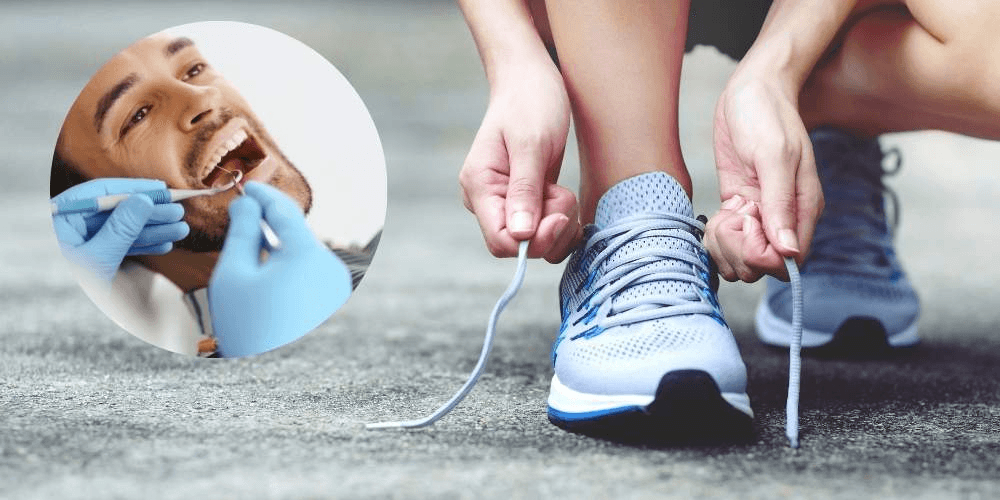
One of the most common questions patients ask after a dental procedure is whether they can return to their regular exercise routine. While light activities such as walking, gentle yoga, or stretching are usually not a problem, the timing depends on the type of treatment you have had. More intense activities like running, weightlifting, HIIT, kickboxing, or football should be avoided immediately after treatment. These sports increase blood pressure, create tension in the head and neck area, and may slow down the healing process in the mouth.
Below you will find detailed recommendations on when you can safely resume exercise after different dental procedures.
Exercise After a Filling
After a filling, most patients can return to light activities the same day. A short walk or mild stretching is generally safe. However, heavy exercise should be postponed for at least 12–24 hours. The main reason is the lingering numbness from local anesthesia. If you start working out while your mouth is still numb, your reflexes and coordination are impaired, and you may accidentally bite your tongue, lips, or cheeks. For this reason, it is best to wait until the numbness is gone before resuming sports.
Exercise After Tooth Extraction
The first 24 hours after a tooth extraction are critical. During this period, even light exercise should be avoided so that a blood clot can form in the socket and healing can begin. Heavy exercise should be avoided for at least 3–5 days, as increased blood pressure and physical strain may cause bleeding, dislodgement of the clot (dry socket), or throbbing pain. The safest approach is to start light activities such as walking after 2–3 days, while postponing heavy training for 4–7 days.
Exercise After Root Canal Treatment
Root canal treatment usually does not require a long break from exercise. If there is mild discomfort, waiting one day before resuming activity can be helpful. For heavy exercise, waiting 1–2 days is advisable. This is because the treated tooth may feel pressure-sensitive or sore. Intense activities that involve clenching or straining can worsen this discomfort. If no pain is present, light workouts are possible the following day, but very strenuous exercise should still be avoided for the first 24 hours.
Exercise After Gum Treatment or Deep Cleaning (Curettage)
After gum treatment or scaling and root planing, the blood vessels in the gums are closer to the surface and more fragile. Exercise can easily trigger bleeding in these areas. That is why you should avoid light sports for at least 24 hours and postpone heavy training for 48 hours. Giving the gums this recovery time helps reduce the risk of bleeding and ensures better healing.
Exercise After Dental Implant Surgery
Dental implant procedures require more recovery time compared to most other treatments. If there is no significant pain or swelling, light activity can be resumed after about 3 days. However, high-intensity exercise such as weightlifting, contact sports, or intense cardio should be avoided for at least 5–7 days. Strenuous activity can put pressure on the surgical area, disrupt stitches, and interfere with the integration of the implant into the bone.
Things to Watch Out for During Exercise
When you return to physical activity after a dental procedure, it is very important to listen to your body. If you feel a throbbing sensation in your mouth during exercise, stop immediately. Similarly, if you notice bleeding, swelling, or headaches, you should rest instead of pushing yourself.
Drinking water is beneficial during the healing period, but avoid using straws after tooth extraction or surgery. The suction motion creates negative pressure in the mouth, which can dislodge the blood clot and delay healing.
Risks of Exercising Too Soon
Exercising too early after dental treatment can lead to:
Bleeding
Increased swelling
Loss of the protective clot (especially after extractions)
Delayed healing
Increased pain
Final Advice
Although it may be tempting to return to sports immediately after dental treatment, it is always better to prioritize recovery. If you are an active person or train at a high level, make sure to inform your dentist about your routine. Especially if you’ve had treatments like fiber post placement, which may affect recovery time. In general, it is safest to avoid heavy workouts for 2–5 days depending on the type of procedure.
Always remember: your body sends signals. If you experience pain, throbbing, bleeding, or fatigue during exercise, stop and give yourself more time to heal. A cautious approach will protect both your oral health and your overall well-being.
Content Reviewed by: Dr. Arzu Uluköylü, Dentist Last Updated: September 9, 2025

Questions?
Ask here