
How to Fix a Toothless Mouth: Best Options
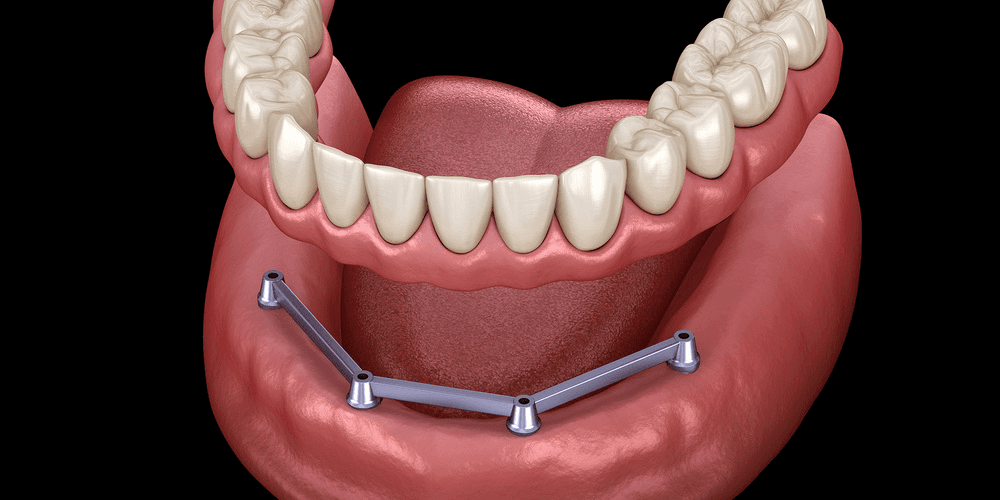
Living with a toothless mouth creates significant challenges that affect both your appearance and quality of life. The absence of teeth can lead to:
Difficulty speaking clearly and communicating effectively
Limited food choices and reduced ability to chew properly
Sunken facial features and premature aging
Decreased self-confidence in social situations
Bone loss in the jaw area
Digestive issues due to inadequate food breakdown
These challenges can impact your professional life, personal relationships, and emotional well-being. Many patients express feeling self-conscious about smiling or speaking in public, which can lead to social isolation and reduced participation in daily activities.
The good news? Modern dentistry offers several effective solutions to restore your smile and dental function. From traditional dentures to advanced implant-supported options like All-on-4 or All-on-6, we can help you regain your confidence and quality of life.
Time is crucial when addressing tooth loss. Delaying treatment can lead to:
Accelerated bone loss in your jaw
Changes in facial structure
Difficulty adapting to future dental prosthetics
Increased risk of oral health complications
Don’t let a toothless mouth hold you back from living life to the fullest. Let’s explore your treatment options and find the perfect solution for your unique needs.
Understanding the Treatment Options for a Toothless Mouth
Living with missing teeth doesn’t mean you have to compromise your smile forever. Modern dentistry offers three primary solutions to restore your dental function and confidence:
1. Total Dentures
Custom-made removable appliances that replace all missing teeth
Created from high-quality materials to mimic natural teeth and gums
Rest directly on the gum tissue
Held in place through suction and dental adhesives
Ideal for patients who cannot undergo implant surgery
2. Implant-Supported Removable Dentures
Combines traditional dentures with dental implants
Features two main types:
Bar-supported system: Multiple implants connected by a metal bar
Ball-and-socket system: Two implants with corresponding attachments
Provides enhanced stability compared to conventional dentures
Allows easy removal for cleaning
Prevents bone loss in the jaw
Improves chewing efficiency
3. Fixed Dentures on Implants
Permanent solution that stays in place
Uses titanium implants as artificial tooth roots
Components include:
Dental implants: Titanium screws surgically placed in the jawbone
Abutments: Connectors between implants and prosthesis
Fixed prosthesis: Custom-made replacement teeth
Offers the most natural feel and function
Restores nearly 100% of natural biting force
Maintains facial structure
Prevents bone deterioration
Each treatment option serves different patient needs based on factors such as:
Bone density and quality
Overall oral health
Budget considerations
Lifestyle preferences
Medical history
Your choice of treatment will significantly impact your daily comfort and confidence. A thorough evaluation by a dental specialist helps determine which option aligns best with your specific situation and goals.
The success of these treatments relies heavily on proper planning and execution. Advanced imaging techniques and precise surgical protocols ensure optimal placement and long-term stability of your chosen solution.
Challenges and Considerations with Each Treatment Option
While dental restoration options bring hope to patients with missing teeth, each treatment comes with specific challenges that require careful consideration.
Total Dentures: Common Hurdles
Adaptation Period: New denture wearers often experience discomfort during the initial weeks. The mouth needs time to adjust to the foreign object, which can affect speaking patterns and eating habits.
Reduced Chewing Efficiency: Traditional dentures provide only 25% of natural chewing power. This limitation can impact dietary choices and nutritional intake.
Oral Hygiene Complexities: Dentures demand meticulous cleaning routines to prevent:
Bacterial buildup
Bad breath
Gum inflammation
Fungal infections
Implant-Supported Dentures: Stability Factors
The success of implant-supported dentures heavily depends on proper stabilization methods:
Bar-Supported Systems
Require precise placement of multiple implants
Need regular maintenance of attachment clips
May experience wear of retentive components
Ball-and-Socket Systems
Demand exact alignment for optimal function
Risk of rubber O-ring deterioration
Periodic replacement of retention components
Potential Risks with Dental Implants
Understanding possible complications helps set realistic expectations:
Implant Failure
Poor osseointegration with jawbone
Inadequate bone density
Smoking-related complications
Medical conditions affecting healing
Infection Risks
Peri-implantitis (inflammation around implant)
Bacterial colonization
Tissue damage
Bone loss
Surgical Considerations
Nerve damage
Sinus complications
Extended healing time
Post-operative discomfort
These challenges underscore the importance of thorough pre-treatment evaluation and regular professional monitoring. Each patient’s unique oral condition, lifestyle, and health status play crucial roles in determining the most suitable treatment approach.
Choosing the Right Treatment Option for Your Toothless Mouth
Selecting the most suitable treatment option for a toothless mouth requires careful treatment planning and consultation with dental specialists. Here’s how to approach this critical decision:
1. Evaluate Your Needs and Preferences
Assess your lifestyle, aesthetic desires, and functional needs.
Consider factors such as comfort, convenience, and maintenance when weighing options like total dentures, implant-supported removable dentures, or fixed dentures on implants.
2. Consult with Dental Specialists
Schedule appointments with prosthodontists or oral surgeons who specialize in tooth replacement.
Discuss your medical history, oral health conditions, and any previous dental treatments to determine the best course of action.
3. Understand the Options
Total Dentures: Ideal for those who cannot undergo implant procedures due to health or anatomical reasons. They provide a non-invasive solution but may come with adaptation challenges.
Implant-Supported Removable Dentures: Offer enhanced stability compared to total dentures. Suitable for individuals seeking a balance between removable prosthetics and secured support.
Fixed Dentures on Implants: Provide permanent solutions that mimic natural teeth closely. Best suited for those looking for long-term durability and minimal maintenance.
4. Consider Financial Aspects
Evaluate the cost implications of each treatment option.
Explore insurance coverage or financing plans that may be available to you.
5. Personalize Your Treatment Plan
Collaborate with your specialist to tailor a treatment plan that addresses your specific needs.
Ensure ongoing communication throughout the process for adjustments and feedback.
By engaging in thorough consultations and understanding each option’s nuances, you can make an informed decision on how to fix a mouth with no teeth.
Ensuring Long-Term Dental Health After Treatment
Regular dental check-ups remain crucial after receiving treatment for a toothless mouth. These appointments allow us to monitor your oral health and detect potential issues before they become serious complications.
Maintenance Requirements by Treatment Type:
Total Dentures
Professional cleaning every 6 months
Annual fit assessment
Relining every 2-3 years
Replacement typically needed every 5-7 years
Implant-Supported Removable Dentures
Professional cleaning every 4 months
Attachment system inspection bi-annually
Bar or ball attachment maintenance yearly
Denture replacement every 7-10 years
Fixed Implant Dentures
Professional cleaning every 3-4 months
Annual x-ray assessment
Screw tightening check-ups
Prosthetic component evaluation
Your at-home care routine plays a vital role in maintaining your dental prosthetics. We recommend using specialized cleaning products and tools designed for your specific treatment type. Patients with implant-supported solutions need to pay special attention to the areas around the implants to prevent peri-implantitis – an inflammatory condition that can compromise implant stability.
Remember: Early detection of wear, damage, or fit issues helps prevent discomfort and extends the lifespan of your dental prosthetics. Schedule your maintenance appointments as recommended to protect your investment in your oral health.
Comprehensive Care at FineUp Clinic: Your Solution to a Toothless Mouth
Living with missing teeth doesn’t have to be your reality. At FineUp Clinic, we understand the physical and emotional challenges of tooth loss, and we’re here to help you regain your confident smile.
Our experienced dental team specializes in:
Personalized Treatment Plans – We assess your unique needs and create customized solutions
Advanced Dental Technology – State-of-the-art equipment for precise and comfortable procedures
Comprehensive Aftercare – Ongoing support to ensure your new smile stays healthy
Your journey to a restored smile begins with a consultation at FineUp Clinic. Our specialists will guide you through every available option, from traditional dentures to advanced implant solutions. We prioritize patient education and comfort, ensuring you make informed decisions about your dental health.
Don’t let missing teeth affect your quality of life. Take the first step toward a complete, functional smile by scheduling your consultation at FineUp Clinic today. Your new smile awaits.
[Contact us to learn more about fixing your toothless mouth with our comprehensive dental solutions.]
FAQs (Frequently Asked Questions)
What are the main treatment options available for a toothless mouth?
The three primary treatment options for a toothless mouth include total dentures, implant-supported removable dentures, and fixed dentures on implants. Total dentures replace missing teeth with a full set of removable prosthetics, implant-supported dentures offer improved stability through dental implants, and fixed dentures provide a permanent solution anchored to implants.
How does having no teeth impact aesthetics and daily life?
A toothless mouth significantly affects facial aesthetics by altering the appearance of the smile and facial structure. It also impacts daily life by reducing chewing power, affecting speech, and lowering self-confidence. Promptly addressing the issue is important to restore function and improve quality of life.
What challenges are associated with total dentures?
Total dentures often present challenges such as adaptation difficulties, reduced chewing efficiency, and oral hygiene maintenance issues. They may lack stability compared to implant-supported options, leading to discomfort or slipping during use.
What are the benefits of implant-supported dentures compared to traditional total dentures?
Implant-supported dentures provide enhanced stability through systems like bar-supported or ball-and-socket attachments, improving chewing power and comfort. They reduce movement during eating and speaking and help preserve jawbone health compared to traditional total dentures.
How can I choose the right treatment option for my toothless mouth?
Choosing the most suitable treatment involves thorough consultation with dental specialists who will assess your oral health, bone condition, lifestyle needs, and aesthetic goals. Treatment planning ensures that you receive personalized care tailored to fix a mouth with no teeth effectively.
Why is regular dental check-up important after receiving dental prosthetics?
Regular dental check-ups are crucial to monitor the condition of dental prosthetics, maintain oral hygiene, detect potential issues early such as implant failure or infection, and plan necessary maintenance or replacements. This helps ensure long-term dental health after treatment.
Content Reviewed by: Dr. Arzu Uluköylü, Dentist Last Updated: April 29, 2025
Questions?
Ask here