
Why Do Teeth Get Yellow? Discover the Causes and Solutions
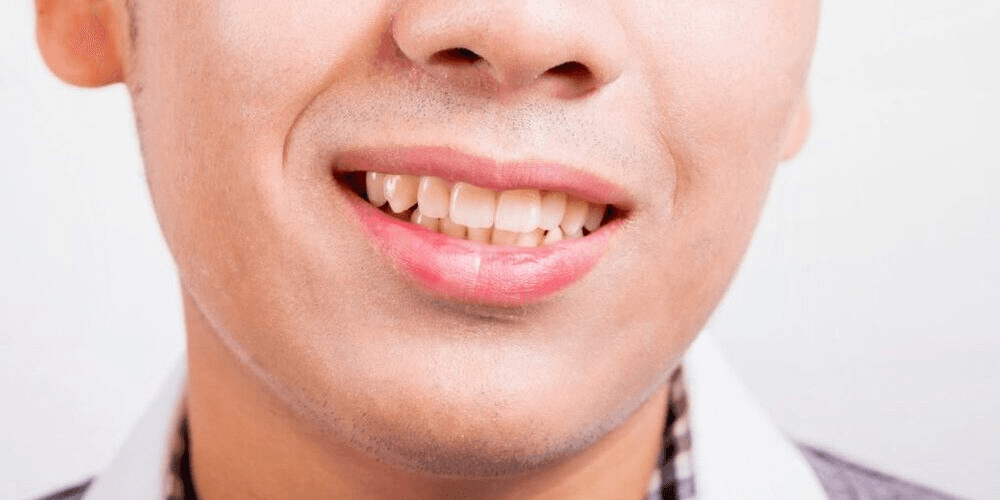
Yellow teeth can significantly impact your daily life, affecting everything from your smile to your self-esteem. This common dental concern stems from various factors, both internal and external, that gradually change the natural color of your teeth.
Your teeth consist of multiple layers, with the outermost being enamel – a protective shield that’s naturally slightly blue-white in color. As this enamel thins or becomes damaged, the yellowish dentin layer underneath becomes more visible, creating that unwanted yellow appearance.
The psychological impact of yellow teeth can be profound:
Reduced confidence in social situations
Hesitation to smile in photos
Negative self-perception
Professional life implications
Social anxiety
Understanding why your teeth turn yellow is the first step toward finding effective solutions. The causes range from simple lifestyle choices to complex medical conditions, making it essential to identify the specific factors affecting your dental health.
Whether you’re dealing with surface stains from coffee and tea or experiencing age-related yellowing, there’s a solution available for your specific situation. By exploring the various causes and treatments, you can make informed decisions about maintaining your dental health and achieving the bright smile you desire.
Factors Contributing to Yellow Teeth
Several factors can contribute to the yellowing of your teeth, including genetics, health issues during childhood, aging, bruxism (teeth grinding), and certain dietary and lifestyle choices.
Genetic Influence
Genetics play a major role in determining whether you have thicker or thinner enamel, which directly affects the appearance of your teeth’s color.
Your genetic makeup plays a significant role in determining your tooth color. The thickness and composition of your tooth enamel are inherited traits that affect how white or yellow your teeth appear. Some people naturally have thicker enamel that provides better protection against staining, while others inherit thinner enamel that makes the yellowish dentin layer more visible.
Childhood Health Impact
Certain health conditions and treatments during childhood can have a lasting effect on your teeth:
High fevers during tooth development can disrupt enamel formation
Certain antibiotics, particularly tetracycline, can cause permanent tooth discoloration
Excessive fluoride exposure during childhood can lead to dental fluorosis, creating white spots or yellowing
Age-Related Changes
As you age, your teeth undergo natural changes that can contribute to yellowing:
Enamel becomes thinner through years of wear
Dentin naturally darkens with age
Microscopic cracks develop in the enamel, allowing stains to penetrate deeper
Bruxism Effects
If you grind your teeth (a condition known as bruxism), it can accelerate the yellowing process:
Premature enamel wear due to grinding
Formation of tertiary dentin – a darker, protective layer beneath the enamel
Increased susceptibility to staining because of weakened enamel caused by grinding
Dietary and Lifestyle Factors
Your daily habits also play a significant role in determining the color of your teeth:
Coffee and Tea Consumption
Both coffee and tea contain tannins, which are compounds that can bind to tooth enamel and create persistent stains. Over time, these dark-colored compounds can accumulate and penetrate microscopic ridges in the enamel.
Tobacco Use
If you use tobacco products such as cigarettes or cigars, they can leave stubborn yellow-brown stains on your teeth. Tar and nicotine from tobacco smoke can embed deeply into the enamel structure and alter its surface texture.
The intensity of staining caused by these factors depends on several variables:
Frequency of exposure to staining substances
Duration of contact between these substances and your teeth
Temperature of beverages consumed (hot drinks may cause more staining)
Individual characteristics of your enamel (thickness, porosity)
Understanding the Combination Effect
It’s important to note that these factors often work in combination. For example, if you have a genetic predisposition for thinner enamel and also consume coffee regularly, it may accelerate the yellowing process.
By understanding these contributing elements, you can identify which factors are within your control (such as dietary choices) and which ones may require professional intervention (such as bruxism treatment).
Environmental Factors Affecting Tooth Color
Your daily habits and environmental exposures play a significant role in tooth discoloration. Understanding these factors can help you protect your teeth from unwanted yellowing.
The Impact of Acidic Foods and Drinks
Acidic substances pose a serious threat to your tooth enamel:
Citrus fruits and juices
Carbonated beverages
Vinegar-based dressings
Sports drinks
Wine
These acidic items gradually erode your tooth enamel – the protective outer layer of your teeth. As the enamel thins, the yellowish dentin beneath becomes more visible, creating a discolored appearance.
The pH levels of common beverages illustrate the acid exposure:
Water: pH 7 (neutral)
Orange juice: pH 3.5
Cola drinks: pH 2.5
Sports drinks: pH 2.9
Your brushing technique can greatly affect the color of your teeth. Using hard bristles or brushing too aggressively can lead to enamel wear and discoloration.
Aggressive Tooth Brushing Damage
Your brushing technique can significantly impact tooth color. Hard bristles and aggressive brushing create these problems:
Worn down enamel
Exposed dentin layer
Increased sensitivity
Accelerated yellowing
Gum recession
The proper brushing technique involves:
Using soft-bristled toothbrushes
Applying gentle circular motions
Brushing at a 45-degree angle
Spending 2 minutes brushing
Waiting 30 minutes after acidic foods
The combination of acidic foods and improper brushing techniques creates a perfect storm for tooth discoloration. The acid weakens your enamel, making it more susceptible to damage from aggressive brushing. This two-fold attack accelerates the exposure of the underlying dentin, resulting in yellower-looking teeth.
Professional Treatments for Yellow Teeth
Professional dental treatments offer effective solutions for yellow teeth, providing both immediate and long-lasting results. Here’s what you need to know about the most popular professional treatments:
Professional Dental Cleaning
A professional dental cleaning removes stubborn stains and buildup that regular brushing can’t tackle:
Removes tea, coffee, and tobacco stains
Eliminates tartar and plaque accumulation
Restores natural tooth color
Improves gum health
Creates a clean surface for additional whitening treatments
Teeth Whitening (Bleaching)
Professional teeth whitening delivers dramatic results, especially for genetically yellow teeth:
In-Office Whitening: Uses high-concentration hydrogen peroxide, visible results in a single session, dentist supervision ensures safety, custom-fitted trays for even application.
Take-Home Professional Kits: Professional-grade whitening gel, custom-made trays for precise application, gradual whitening over 1-2 weeks, less sensitivity than in-office treatment.
Veneers
Dental veneers provide a permanent solution for severely discolored teeth:
Porcelain Veneers: Custom-made thin shells that cover existing tooth structure, resist staining, and last 10-15 years with proper care.
Zirconia Veneers: Stronger than traditional porcelain with a natural appearance and excellent durability, perfect for severe discoloration.
The choice between these treatments depends on:
Severity of discoloration
Budget considerations
Time commitment
Desired longevity of results
Underlying dental health
Your dentist can evaluate your specific case and recommend the most suitable treatment option based on the cause and extent of your tooth discoloration.
Home Remedies and Preventive Measures
Your daily habits play a crucial role in maintaining bright, healthy teeth. A consistent oral hygiene routine acts as your first line of defense against yellowing teeth.
Essential Daily Practices:
Brush your teeth twice daily with fluoride toothpaste
Use soft-bristled toothbrushes to protect enamel
Floss daily to remove plaque between teeth
Rinse with an alcohol-free mouthwash
Clean your tongue regularly to remove bacteria
Natural Remedies for Whiter Teeth:
Oil pulling with coconut oil for 15-20 minutes
Brushing with baking soda once a week
Eating crunchy fruits and vegetables that help clean teeth
Rinsing mouth with water after consuming staining foods
Smart Dietary Choices:
Limit consumption of acidic foods and beverages
Use a straw when drinking potentially staining liquids
Wait 30 minutes after acidic foods before brushing
Choose water over sugary or acidic drinks
Foods That Help Maintain White Teeth:
Cheese and yogurt (rich in calcium)
Apples and celery (natural teeth cleaners)
Carrots and cauliflower (abrasive texture helps remove stains)
Sugar-free gum with xylitol (stimulates saliva production)
Preventive Tips:
Replace your toothbrush every 3-4 months
Schedule regular dental check-ups
Consider using an electric toothbrush for thorough cleaning
Apply lip products with blue undertones to create contrast
Maintain good hydration to prevent dry mouth
These home remedies work best when combined with proper dental hygiene practices. You’ll notice gradual improvements in tooth color by incorporating these habits into your daily routine.
When to Seek Professional Help?
Home remedies have their place in maintaining dental health, but they can’t address all tooth discoloration issues. Professional dental intervention becomes necessary in specific situations:
Signs You Need Professional Treatment:
Persistent yellowing despite consistent oral hygiene
Uneven tooth coloration or patches
Deep stains that don’t respond to over-the-counter products
Sensitivity when using home whitening treatments
Visible enamel erosion or wear
Professional Options Available:
In-office teeth whitening treatments with immediate results
Custom-fitted whitening trays for at-home use
Dental bonding for severe discoloration
Veneers or crowns for permanent solutions
Your dentist can assess the underlying cause of yellowing and recommend appropriate treatments. Professional dental visits allow for:
Comprehensive examination of tooth structure
Evaluation of enamel thickness
Assessment of previous dental work
Identification of medical conditions affecting tooth color
Professional treatments offer stronger, more effective solutions than home remedies. A dental professional can determine if yellowing stems from external staining or internal tooth changes, guiding the most suitable treatment approach for your specific case.
Remember: Professional dental treatments provide controlled, safe, and predictable results under expert supervision, minimizing risks associated with DIY whitening methods.
The Journey To Whiter Teeth
To achieve a brighter smile, it’s important to understand why teeth can become yellow and take action accordingly. The journey to whiter teeth involves preventing further discoloration, maintaining good oral hygiene, and seeking treatments that are suitable for you.
A beautiful smile is not just about looks; it also boosts your confidence and allows you to express yourself. There are several options available to you:
Prevention: Keep up with your oral hygiene routine and be cautious of foods and drinks that can stain your teeth
Home Care: Incorporate effective whitening products into your dental care routine and use gentle brushing techniques
Professional Solutions: Explore treatments such as dental cleanings, professional whitening procedures, or veneers
It’s important to remember that achieving and maintaining white teeth requires ongoing effort. By staying committed to your oral health practices and seeking professional guidance when necessary, you can achieve long-lasting results. Every smile is unique, so what works for someone else may not work for you.
Don’t wait any longer—take action now. Whether you’re dealing with surface stains or deeper discoloration, there are solutions available. Schedule an appointment with your dentist to create a personalized plan that will enhance the appearance of your smile. With consistent care and the right approach, you can turn your yellow teeth into a bright, confident smile.
Your smile is a reflection of who you are—make it shine with FineUp!
FAQs (Frequently Asked Questions)
Why do teeth get yellow and what are the main causes?
Teeth get yellow due to various factors including genetic predisposition, childhood illnesses, medication effects, the natural aging process, bruxism (teeth grinding), and consumption of staining substances like coffee, tea, and tobacco. Understanding these causes is essential for effective treatment and prevention.
How do environmental factors like diet and brushing habits affect tooth color?
Environmental factors such as acidic foods and drinks can erode tooth enamel, leading to discoloration. Additionally, aggressive tooth brushing can thin enamel and expose the underlying dentin, which appears yellow. Both contribute significantly to the yellowing of teeth.
What professional treatments are available to fix yellow teeth?
Professional treatments include dental cleaning to remove surface stains, teeth whitening or bleaching procedures to lighten tooth color, and veneers application as a long-term solution for discolored teeth. These methods offer effective ways to restore a brighter smile.
Can home remedies help in preventing or treating yellow teeth?
Yes, maintaining proper oral hygiene practices such as regular brushing and flossing helps prevent yellowing. Avoiding acidic foods and drinks that contribute to enamel erosion also protects tooth color. However, home remedies have limitations and may not be sufficient for significant discoloration.
When should I seek professional help for yellow teeth?
If home care measures fail to improve tooth color or if you notice sudden or severe yellowing, it’s important to consult a dentist. Professional evaluation ensures appropriate diagnosis and access to advanced treatments beyond home remedies.
How does yellow teeth impact aesthetics and confidence?
Yellow teeth can negatively affect a person’s appearance by diminishing smile aesthetics, which may lead to reduced self-confidence. Addressing the causes and seeking effective treatments can enhance smile brightness and overall confidence.
Content Reviewed by: Dr. Arzu Uluköylü, Dentist Last Updated: April 30, 2025
Questions?
Ask here